Professional Fence Installation: Transform Your Curb Appeal
Premium fence installation provides more than just boundary definition. It elevates a property's visual appeal, providing both aesthetic value and practical benefits. Multiple options, from classic wood to sleek vinyl, cater to diverse tastes. As homeowners consider their options, recognizing the variables that impact installation and material decisions becomes important. Ideal decisions can dramatically enhance a home's outer facade. However, choosing between professional contractors or a DIY approach presents significant considerations.
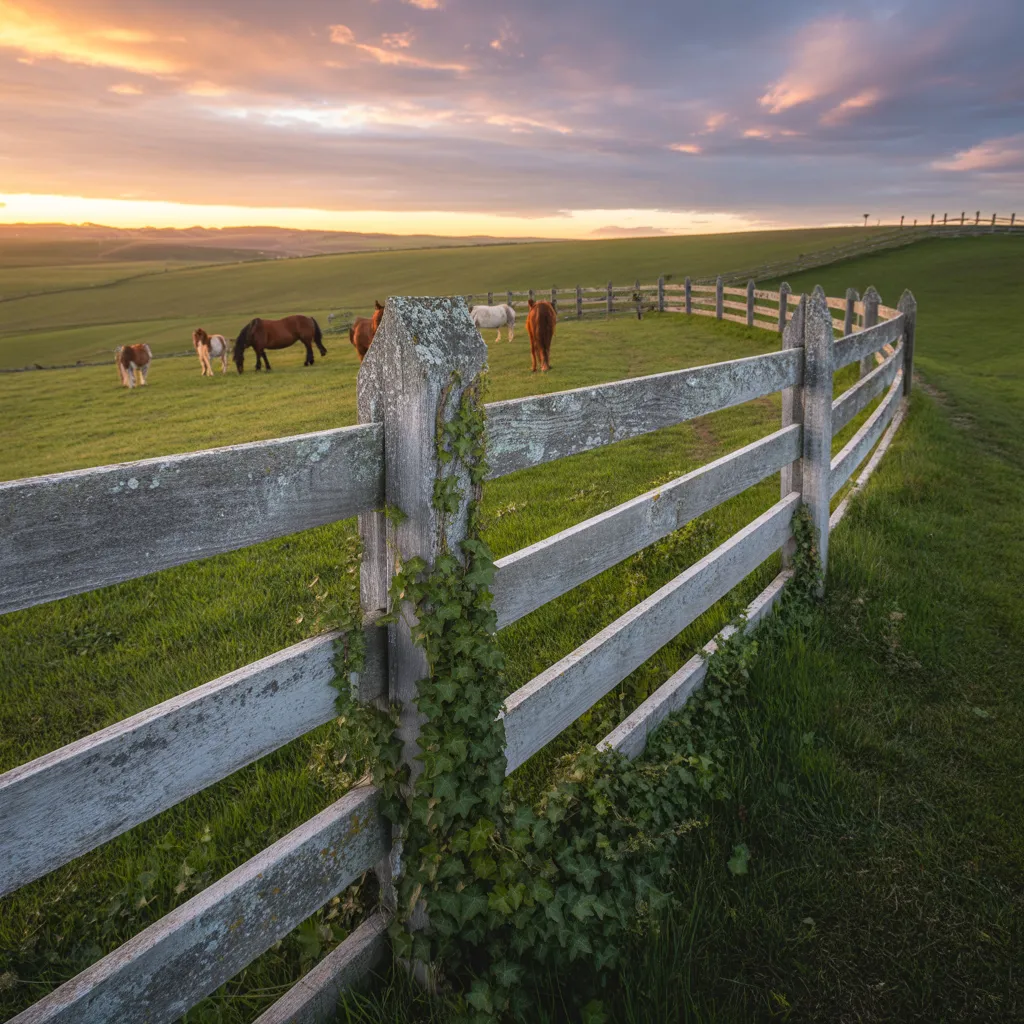
Understanding the Benefits of a Top-Rated Fence
A top-rated fence offers numerous advantages that can significantly improve both property security and value. By providing a clear boundary, it helps to define the property's perimeter, deterring potential intruders and unwanted animals. This additional measure of safety fosters a sense of safety for residents and their belongings. Moreover, superior materials and expert workmanship provide lasting strength, minimizing repair and maintenance costs throughout the years.
Additionally, a properly built fence can act as an aesthetic enhancement, complementing the residence's visual character. It can shield outdoor spaces from wind and noise, establishing a better environment for pursuits like entertaining or gardening. Moreover, it can deliver a sense of solitude, giving homeowners to unwind without concern for prying eyes. Overall, choosing a high-quality fence not only boosts protection but also improves the general attractiveness and usability of a property, making it a wise choice for residents wanting enduring advantages.
Common Fencing Options That Elevate Curb Appeal
When evaluating fencing installation, the choice of style can considerably boost a home's curb appeal. Classic wood fencing provides a classic appeal that suits traditional architectural styles, while contemporary vinyl alternatives provide a sleek, low-maintenance alternative. Each option accommodates varying design tastes and can improve the visual appeal of any home.
Traditional Wooden Fence Designs
Traditional wood fence designs provide lasting charm that enhances curb appeal for any property. These styles, such as picket, split rail, and privacy fences, provide a natural aesthetic that pairs well with diverse home designs. With their charming vertical slats, picket fences foster a warm and friendly feel, perfect for front yard settings. Split rail options, often used in rural settings, deliver countryside character while staying practical. Privacy fences, typically taller and solid, not only provide security but also create a serene outdoor space. Wood's adaptability permits personalization in height, stain, and finish, empowering homeowners to showcase their unique aesthetic. In summary, traditional wood fence designs continue to be a top selection for those seeking to elevate their home's exterior charm.
Today's Vinyl Options
Today's vinyl fencing solutions provide a wide range of elegant designs that can considerably boost a home's visual appeal. Coming in numerous colors and textures, vinyl fences can replicate classic materials such as wood or stone while offering superior durability and low maintenance. Common styles such as picket, privacy, and ranch rail are available, each catering to different aesthetic preferences.
Vinyl fencing is resistant to rot, fading, and pests, ensuring a long-lasting investment. Additionally, its flexibility in design allows homeowners to customize heights and panel configurations to suit their landscape. Therefore, today's vinyl fences not only deliver security and privacy but also improve the overall look of a home, making them a popular selection among thoughtful property owners.
Find the Perfect Material for Your Fence
Choosing the ideal material for a fence is important for both aesthetics and functionality. Options such as wood and vinyl deliver distinct advantages, while chain link provides a cost-effective choice. Moreover, the longevity of metal fencing can be a critical consideration in making long-term decisions.
Wood Versus Vinyl Fencing
When homeowners explore fencing alternatives, the discussion between wood and vinyl frequently comes up due to the unique benefits and limitations of each material. Wood fencing provides a traditional look and natural appeal, attracting those who prioritize traditional styles. It allows for straightforward personalization and is generally more budget-friendly at the outset. However, wood demands consistent upkeep to prevent rot and damage from pests.
Conversely, vinyl fencing is recognized for its resilience and ease of care, preventing fading, warping, and cracking. It often comes with a greater upfront investment but can save money over time due to its lasting durability. Homeowners should evaluate their specific requirements, such as visual preferences, financial constraints, and willingness to maintain, to choose the most suitable choice for their fence installation requirements.
Available Chain Link Options
Chain link fencing offers an effective option for property owners looking for safety and transparency without compromising affordability. This style of fence is offered in multiple heights and gauges, permitting owners to pick options that best fit their requirements. For property owners who value looks, vinyl-coated chain link delivers an attractive option, blending seamlessly with landscaping. Additionally, property owners can select galvanized chain link to improve rust resistance, guaranteeing durability. The setup process is usually uncomplicated, making it well-suited for DIY projects. With additions like privacy slats or ornamental tops, chain link fencing can be tailored to achieve both functionality and style. All things considered, chain link fencing delivers a flexible and cost-effective solution for enhancing property boundaries.
Metal Strength Considerations
Choosing the right fencing option involves evaluating the strength of important guide various options. Metal fences, especially those constructed from aluminum and steel, are celebrated for their durability and resilience. Aluminum provides a rust-resistant and lightweight solution, making it ideal for coastal areas. Steel, though heavier and sturdier, requires galvanization or coating to prevent corrosion. On the other hand, wrought iron, though aesthetically appealing, requires consistent upkeep to prevent rust. Furthermore, the metal's gauge is a critical factor; denser materials deliver greater durability and resilience. Ultimately, considerations including climate, purpose, and upkeep requirements ought to inform the decision-making process, ensuring that the chosen metal fence withstands environmental challenges as it retains its structural integrity across time.
Determine Essential Factors for Installation Success
Successful fence installation copyrights on several key factors which can substantially affect the final result. Initially, selecting the right materials is vital; various materials provide different durability, maintenance requirements, and aesthetic appeal. Furthermore, careful planning is required, which involves assessing the property boundaries and securing required permits to steer clear of legal problems.
Moreover, careful measurements and a well-planned layout guarantee that the fence fits seamlessly with the landscape and adheres to the owner's specifications. The soil composition and terrain likewise play a key role in achieving a successful installation; these factors can influence the kind of foundation needed for structural stability.
In addition, weather factors should be evaluated, as severe weather or rainfall can interfere with installation work. Finally, meticulous focus during installation—such as ensuring panels are aligned and posts are secured—produces a robust and visually impressive fence. By addressing these factors, homeowners can considerably extend the lifespan and efficiency of their fencing project.
Should You Hire Professionals or DIY Your Fence Installation?
When evaluating the option of hiring professionals versus pursuing a DIY fence installation, homeowners often consider their abilities, finances, and available time. Hiring professionals typically guarantees high-quality work, as seasoned professionals offer technical expertise and appropriate tools. This option may be ideal for those lacking the time or expertise to complete the project effectively. On the other hand, a DIY approach can be cost-effective, enabling homeowners to reduce labor expenses while enjoying a fulfilling project. However, this route demands a solid understanding of fencing materials, local regulations, and proper installation techniques. Homeowners should also consider the time commitment, as DIY projects can extend beyond initial expectations. Ultimately, the determination rests on unique circumstances, encompassing personal inclinations, project scope, and the resources at hand. Thoughtful evaluation of these elements will help homeowners arrive at the best decision for their fencing requirements.
Maintenance Tips for Long-Lasting Fences
Maintaining a fence's structural integrity and appearance requires regular care. Periodic inspections are critical; residents should check for signs of wear, rot, or damage. For wooden fences, applying a durable sealant or stain every few years can guard against moisture damage. Steel fences should be examined for oxidation, and any affected areas should be sanded and painted without delay to maintain integrity.
Moreover, clearing the area surrounding the fence of debris and overgrown vegetation can prevent moisture buildup and pests. Tightening any loose screws or bolts is also recommended to maintain structural stability.
Washing the fence on a routine basis, using a mild soap solution and a soft brush, helps maintain its appearance. Seasonal maintenance is important; therefore, property owners should establish a schedule to guarantee the long-lasting durability of their fence structures. Adhering to these recommendations can considerably boost the strength and visual charm of all types of fencing.
What You Can Expect in Fence Installation Costs
Comprehending the costs of fence installation is vital for property owners planning to enhance their land. The overall costs can fluctuate greatly based on a number of considerations, including the type of material chosen, the intricacy of the setup, and the dimensions of the space requiring fencing. Common materials such as wood, vinyl, and chain link each come with different price points.
Additionally, labor expenses may vary based on local market rates and the expertise of the contractor. It is also important for homeowners to factor in possible permits and extra features, such as gates or decorative elements, which can also affect the total budget.
Typically, costs fall from $1,500 to $4,000 for regular installation projects. Homeowners are encouraged to gather several quotes and assess the scope of work involved to secure a complete understanding of their monetary commitment before going ahead.
Integrating Fencing Into Your Landscape Design
Integrating fencing into landscape design not only boosts the visual appeal of a property but also delivers functional advantages such as privacy and security. The right fence can enhance existing plants, pathways, and outdoor structures, producing a seamless and cohesive aesthetic. For instance, wooden fences can blend seamlessly with natural surroundings, while metal options offer a modern touch that pairs well with contemporary landscaping.
The appearance and shade of the fence ought to blend with the overall theme of the outdoor space. Upright garden features or climbing plants can be introduced to ease rigid boundaries and bring in lush foliage. Additionally, strategically placed fencing can define areas, such as distinguishing landscaped sections from activity spaces.
At the end of the day, well-planned incorporation of fencing enhances not just the decorative beauty but also the practicality of outdoor spaces, fostering an welcoming space that reflects the resident's style and preferences.
Questions We Often Receive
What Permits Are Needed for Installing a Fence?
Typically, residents are required to obtain a construction permit before setting up a fencing structure. Municipal zoning laws often require particular permits, particularly regarding height restrictions or property lines. Contacting local authorities ensures adherence to every applicable regulation.
How Long Does Fence Installation Typically Take?
Fence installation usually takes between one and three days, influenced by factors such as the chosen materials, the size of the lot, and prevailing weather conditions. Elaborate fence designs can require more time to finish.
Can Fences Be Installed in Winter?
Yes, fences can be installed in winter. However, the process may be more challenging due to frozen ground and adverse weather conditions. Expert installers commonly refine their techniques to maintain stability and durability in colder weather.
How Long Do Different Fence Materials Typically Last?
The typical longevity of fencing materials can vary widely: wood has a lifespan of 10-15 years, vinyl offers a lifespan of 20-30 years, chain link commonly endures for 15-20 years, and aluminum may last 30 years or more with proper maintenance.
How Do I Choose a Fence Color That Complements My Home?
To select a fence color that complements a home, one should evaluate the outside colors, structural style, and nearby scenery. Natural hues often blend well, while bold colors can create contrast and eye-catching appeal.